
How to Know If Your Lincoln Furnace Needs Repair Before Winter
Furnace problems usually drop small hints in the fall, long before the first cold morning puts the system to work.
Request service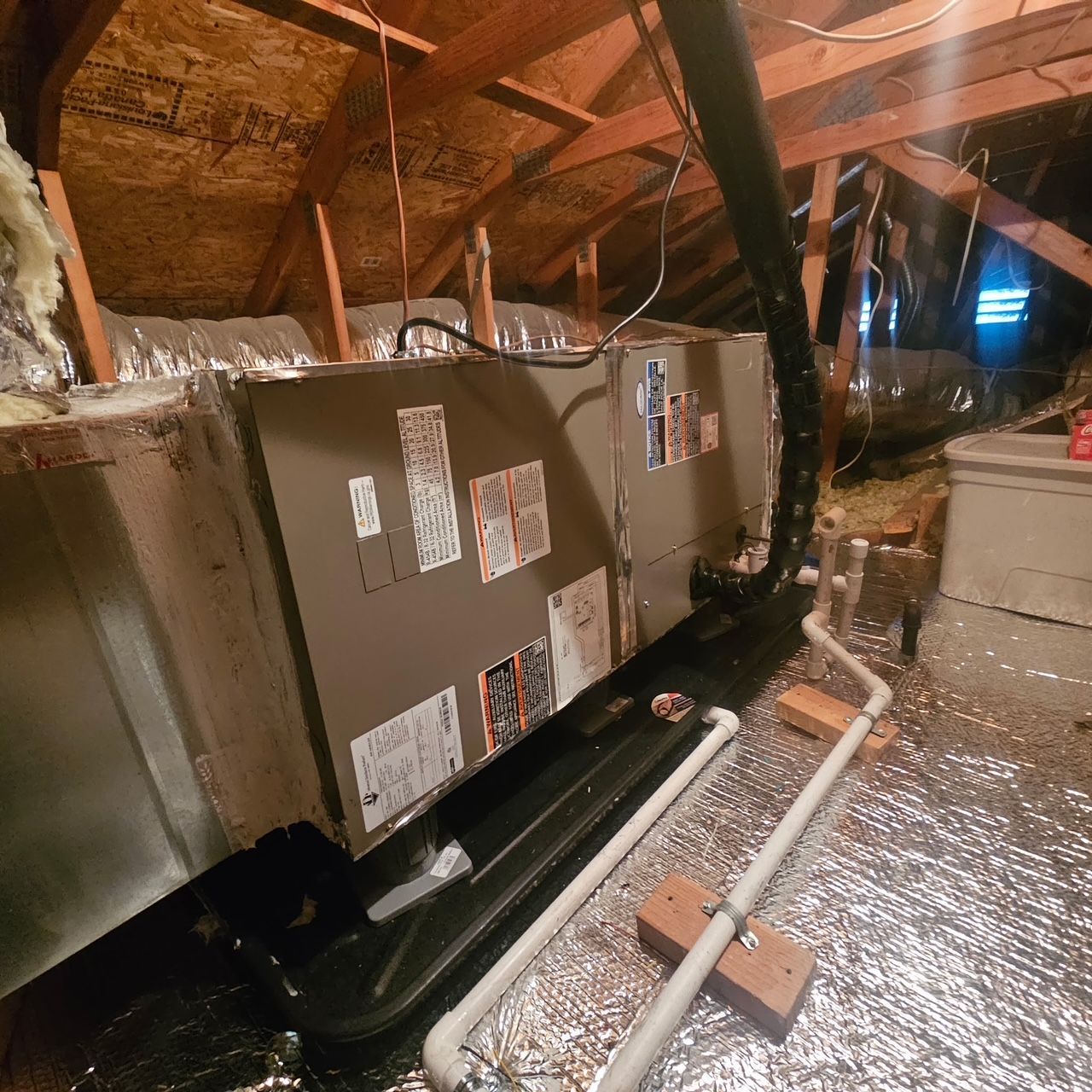
The surest way to know if your furnace needs repair before winter is to run it through a full heating cycle now and pay attention. Slow starts, smells that don't fade, new noises, short cycling, or lukewarm air are all reasons to get it looked at before the cold settles in.
In Lincoln, the furnace often sits unused for most of the year. Parts that waited out a long, hot summer in an attic or garage don't always wake up cleanly. A problem found in early November is usually a simpler, calmer fix than the same problem found on a frosty December morning with the house getting colder by the hour.
In this guide
Run a Fall Test Before You Need the Heat
A simple fall test tells you more than any checklist. Pick a cool evening, set the thermostat a few degrees above the room temperature, and stay close for the first 15 minutes.
- Put in a fresh filter first. A clogged filter can make a healthy furnace act broken.
- Listen for the burner to light shortly after the thermostat calls for heat, then for the blower to kick on.
- Feel the air at a few vents, including the one farthest from the furnace. It should feel clearly warm, not room temperature.
- Notice the smell. A dusty, slightly burnt smell for the first few minutes is normal after months off, and it should fade.
- Watch the run. The furnace should run steadily and shut off once the room reaches the setting, not stop and restart every few minutes.
If every step looks right, you're in good shape for now. If something seemed off, jot down what you noticed and when it happened. A short note like "clicks three times, then no flame" saves a technician real time.
What Warning Signs Mean a Furnace Needs Repair?
Some signs point to wear that can wait a week or two for an appointment. Others mean the furnace should stay off until someone looks at it. Knowing which is which keeps a small problem from turning into an unsafe one.
Book a Repair Soon If You Notice
- Short cycling, where the furnace starts and stops every few minutes without warming the house.
- Air that comes out lukewarm, or rooms that never catch up to the thermostat.
- A new squeal or rattle from the blower compartment.
- Gas bills that jump while your thermostat habits stay the same.
- An igniter that clicks or glows several times before the burners finally light.
Shut It Off and Get Help If You Notice
- A rotten egg smell. That points to a gas leak, so leave the house and call your gas utility or the fire department from outside.
- A carbon monoxide alarm, or headaches and nausea that ease when you step outdoors.
- A loud boom when the burners light, which can mean delayed ignition.
- A yellow, wavering flame or soot around the burners instead of a steady blue flame.
- A smell of hot plastic or wiring that doesn't fade.
Avoid resetting the furnace over and over to get it running. Many furnaces lock themselves out after repeated failed starts, and that lockout is a safety feature telling you something is wrong. A proper furnace repair visit finds the cause instead of hiding it.
Why Early Fall Is the Best Time to Book
Booking a furnace check in the fall gives you time and options. When a furnace quits during the first truly cold week, plenty of other households are calling about theirs that same week.
A fall visit also targets the parts that tend to fail after a long rest. The igniter, the flame sensor, the inducer motor, and the blower all get tested while the house is still comfortable. A flame sensor is a thin metal rod that confirms the burner is lit. When it gets coated with residue, the furnace shuts itself off seconds after starting, and that's one of the most common fall service calls.
If your system has gone a couple of years without a check, a heating tune-up covers the cleaning and safety checks that catch this kind of wear early. Doing it in October or November means any part that needs ordering can arrive before you depend on the heat every night.
Is It Time to Repair the Furnace or Replace It?
Most furnaces that act up in the fall need a repair, not a new system. A worn igniter, a dirty flame sensor, or a weak blower capacitor is a modest fix that can keep an older furnace running well.
The math changes when the furnace is getting up in years and the problem is a major part. A cracked heat exchanger, a failed control board on an older unit, or several repairs in a row are good reasons to ask for both a repair price and a replacement estimate. That way you're comparing real numbers instead of guessing.
Some homeowners use this moment to look at a heat pump instead of another gas furnace. That can be a smart move in a mild-winter climate, but it deserves a calm conversation, not a rushed choice on a cold night. If a new system does make sense, reading up on replacing a furnace before the estimate visit helps you know what to ask.
How Economy Heating & Air Handles a Pre-Winter Furnace Check
Economy Heating & Air sends NATE-certified technicians. NATE (North American Technician Excellence) certification means the tech has passed industry exams on how heating systems work and fail. That training matters most when a symptom is hard to pin down, like a furnace that runs fine one night and locks out the next.
Every visit includes a thorough system evaluation, followed by a detailed written report. You end up with a record of what was checked and what needs attention, so you can plan repairs instead of reacting to them. If your furnace is in good shape, that's worth having in writing too.
What Valley Winters and Hot Attics Do to a Furnace
Winter in Lincoln is usually mild by the afternoon, but clear nights can drop close to freezing, and tule fog, the thick ground fog common in the Central Valley, can sit low and gray through the morning. So the furnace does most of its work in the early morning and evening, running in shorter bursts than it would in a colder climate, then resting through the afternoon.
Many homes in town are in newer subdivisions where the furnace sits in the attic or the garage. An attic furnace spends the summer baking above the ceiling while it's 100 degrees or more outside, and that heat is hard on wiring, plastic parts, and the flex duct connections around the unit. A garage furnace tends to collect dust, and stored boxes sometimes end up crowding the return air opening.
Late-summer wildfire smoke also loads filters faster than the calendar suggests. A filter that looked fine in July can be choking airflow by November, which makes the furnace run hot and trip its limit switch.
Book a Furnace Check Before the Cold Settles In
If your fall test turned up a short cycle, a new noise, or weak heat, call 916-410-8477 or schedule a furnace evaluation while the weather is still easy. For anyone in Lincoln wondering who to hire for furnace repair, Economy Heating & Air will test the system, explain what's worn, and give you the findings in writing.
Furnace Questions Before Winter
How often should I change my furnace filter in winter?
For a standard 1-inch filter, every one to three months is typical, but check it monthly once the heat is running. Pets, construction dust, and a smoky late summer around Lincoln all load filters faster. Hold the filter up to a light. If you can barely see light through it, swap it out. Thicker media filters last longer, so follow the size and schedule printed on the frame.
Is a burning smell normal when I first turn the heat on?
A light, dusty burning smell during the first few minutes of the season is normal. Dust settles on the burners and heat exchanger over the summer and burns off once things warm up. It should fade within an hour or so. A smell like hot plastic or melting wire is different, and a rotten egg smell means gas. In either case, shut the system off and leave it off.
Why does my furnace turn on and off every few minutes?
That's called short cycling. Common causes include a dirty flame sensor that can't confirm the burner is lit, a clogged filter that lets the furnace overheat and trip a safety limit, a thermostat placed near a heat source, or a furnace that's too large for the house. A filter swap is a fair first step. If it keeps happening, the furnace is shutting itself down for a reason worth finding.
Can I skip a furnace tune-up if the heat worked fine last year?
You can, and plenty of people do. The risk is that parts like the igniter and flame sensor wear slowly and give little warning before they quit. A yearly check catches that wear, cleans the burners, and confirms the safety controls work. If you skip it, at least run the fall test, change the filter, and make sure your carbon monoxide alarms have fresh batteries.
How long does a gas furnace usually last?
Many gas furnaces last somewhere around 15 to 20 years with regular care, though some go longer and some quit sooner. Install quality, filter habits, attic heat, and how hard the system works all play a part. Age alone doesn't mean replacement. An older furnace that runs safely may have years left, while a younger one with a cracked heat exchanger may not.
What should I do if my carbon monoxide alarm goes off?
Treat it as real. Get everyone, pets included, outside into fresh air, and call your gas utility or the fire department from outside. Don't go back in until responders say it's safe. Leave the furnace off afterward until a technician has checked the heat exchanger, venting, and burners, because a furnace is one of several possible sources of carbon monoxide in a home.
Get the Heat Checked Early
A short visit now can save you a cold night later, and you'll know exactly where your furnace stands before winter. Call 916-410-8477 or contact us online.
Request service